How to Get Your Business Found in AI Search (Google, Copilot & ChatGPT)
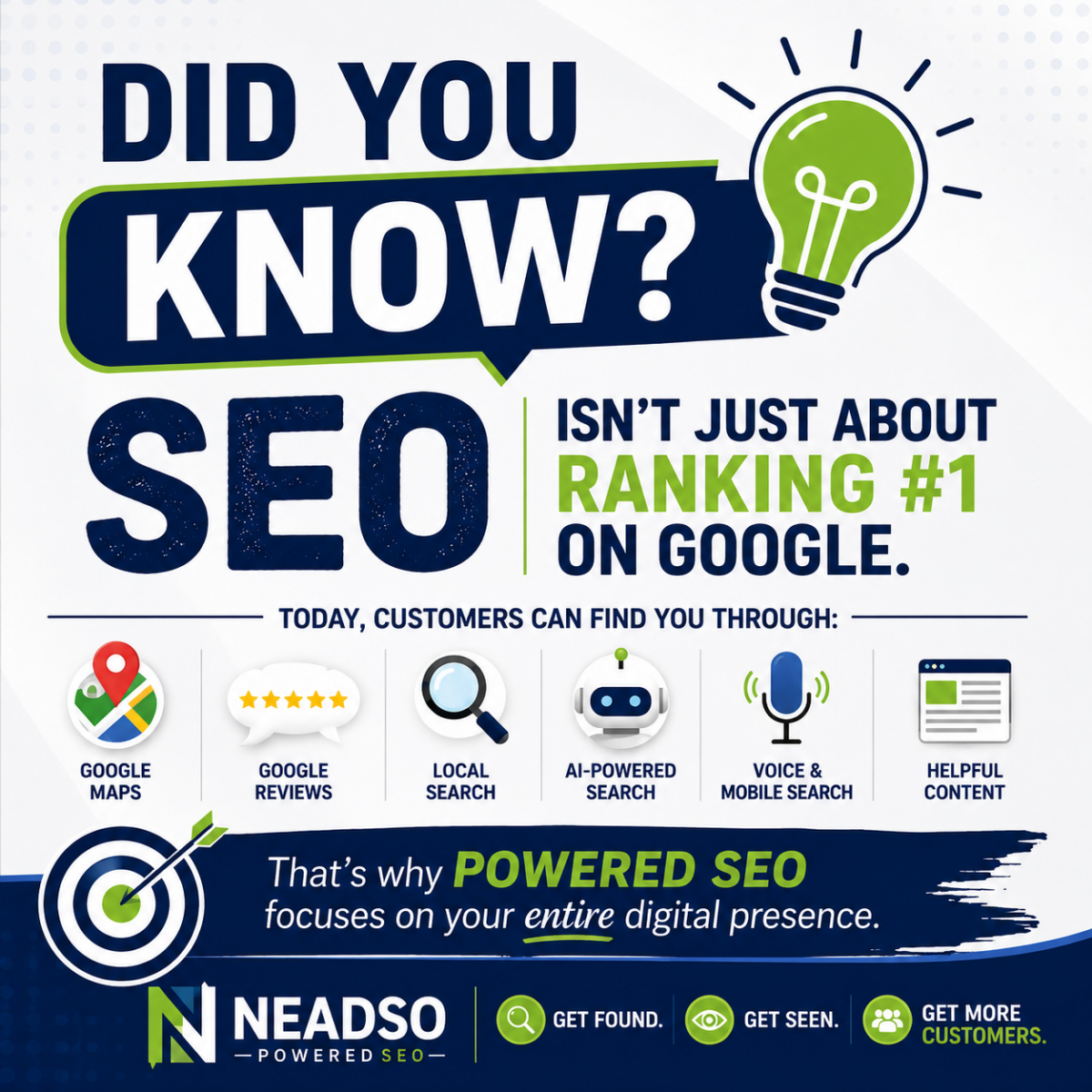
Learn how to get your business found in AI-powered search tools like Google, Copilot, and ChatGPT by creating helpful content, building authority, and staying visible online.
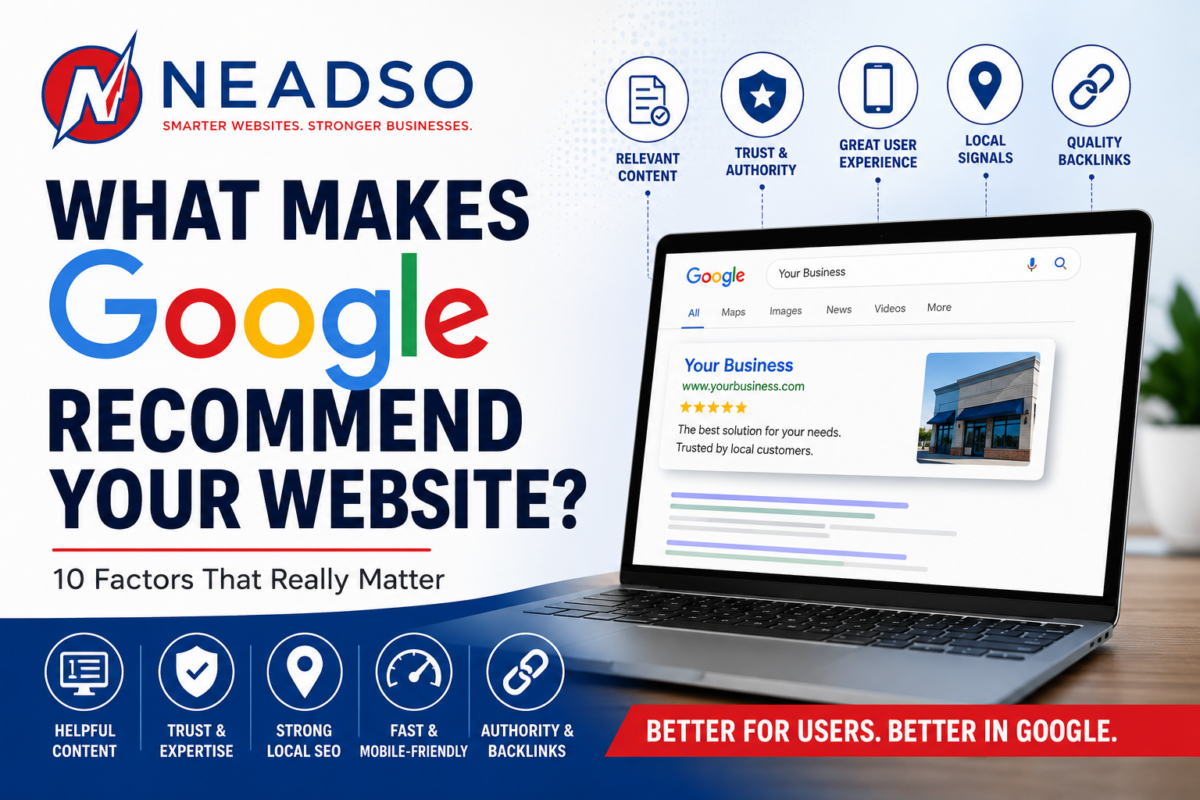
If your website isnât bringing in customers, itâs likely missing the right strategy. Learn how to fix common issues and turn your site into a lead-generating tool.
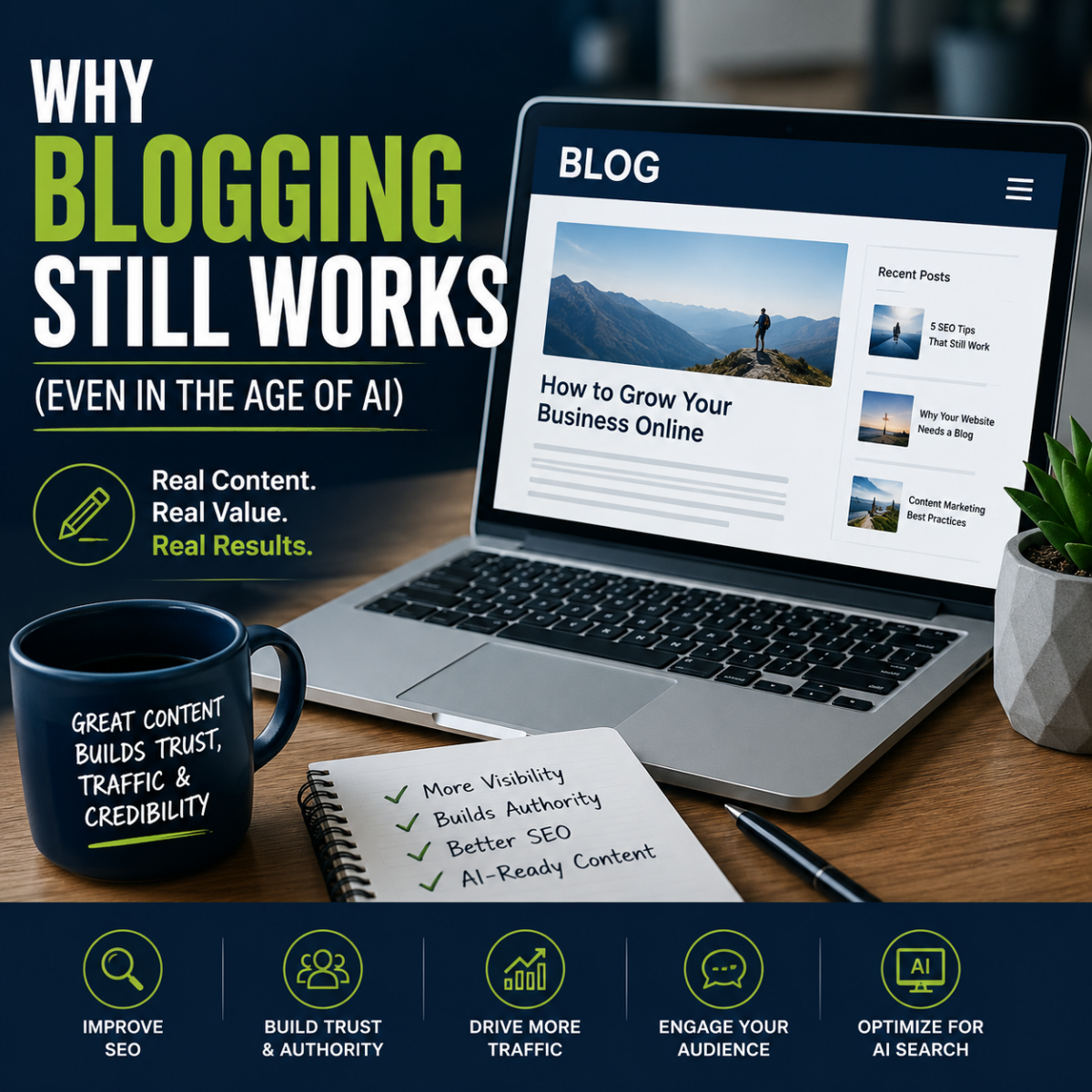
Small businesses donât need massive budgets to succeed online. Learn how strategy, consistency, and community can help you compete and grow.
Many small businesses create content without seeing real results. Learn how to build content that answers customer questions, builds trust, and drives calls.
When it comes to ranking on Google, content is the foundation of every successful SEO strategy. Search engines donât just look for keywordsâthey look for relevance, clarity, authority, and value. Crafting the right content is what helps your business appear in the right searches, attract qualified customers, and outperform your competitors.
Hereâs how to create content that works with search engines, not against them.
Traditional SEO focused on stuffing keywords into a page. Modern SEO focuses on intentâwhat the user actually wants.
There are four types of search intent:
Your content needs to answer the userâs intent clearly and fully. Pages that give searchers exactly what theyâre looking for rise to the top.
Google rewards content that is:
Your content should solve problems, answer questions, and provide insightsâNOT just promote your business. The more useful your content, the more likely it is to rank well.
Wellâstructured content helps users and Google.
Best practices include:
A clean structure makes content easier to read and increases engagementâboth ranking factors.
Keywords still matterâbut only when used correctly.
Place keywords in:
But avoid keyword stuffing. Google will penalize content that feels unnatural.
Google often displays âquick answersâ at the top of search results. To target these:
Featured snippets drive major visibilityâeven above the #1 organic ranking.
Before writing, search your target keyword and review the top 5 competitors.
Ask:
Your content should be longer, clearer, more thorough, or more helpful than any other page on the topic.
Google favors fresh information. Updating your content every 6â12 months can improve rankings and keep information accurate.
Refresh by adding:
A consistent updating schedule boosts longâterm SEO performance.
SEO content should generate resultsânot just traffic.
End articles with:
Effective CTAs turn searchers into customers.
Crafting the right content for SEO is not about shortcuts or tricksâitâs about providing the most valuable, relevant, helpful information possible. When your content truly serves your audience, Google rewards you with higher visibility and better rankings.