The Biggest Google Business Profile Mistakes Contractors Make (and How to Fix Them)

For contractors—HVAC, plumbing, roofing, electrical, landscaping, and other service‑industry pros—your Google Business Profile (GBP) is one of the most powerful tools you have. In fact, 60–80% of service calls come directly from Google Business Profile, not from your website or social media. Yet most contractors unknowingly sabotage their visibility, rankings, and phone calls with simple, avoidable mistakes. Below are the most common Google Business Profile problems—and how to fix each one the right way.

1. Incomplete or Outdated Business Information

Many contractors fail to keep their profile fully updated—or worse, leave it half‑filled.

Why This Hurts You

Google rewards accuracy and completeness. Businesses with fully built-out profiles appear more often and higher in search results.

Fix It

  • Fill out every section: hours, services, description, service area, phone numbers.
  • Keep holiday hours updated.
  • Refresh your profile monthly with new content (posts, photos, updates).

2. Not Posting Regularly

Posting on GBP is like posting on social media—but Google treats it as a signal that your business is active and trustworthy.

Why This Hurts You

Inactive profiles lose visibility over time because Google favors businesses providing fresh updates and posts.

Fix It

  • Post weekly (job photos, seasonal tips, promotions, project highlights).
  • Use posts to showcase high‑intent services like “Emergency HVAC Repair” or “Roof Leak Detection.”

3. Wrong or Missing Service Categories

If your primary or secondary categories are incorrect, Google won’t show you for the right searches.

Why This Hurts You

Your category tells Google what you do and influences what keywords you rank for. Choosing wrong categories = irrelevant searches.

Fix It

  • Choose one highly specific primary category (e.g., “Plumber,” not just “Contractor”).
  • Add relevant secondary categories that match your services.

4. Not Using the Services & Products Sections

Contractors often skip adding detailed service lists, thinking it’s optional. It’s not.

Why This Hurts You

Google uses your service list to match you to customer search intent. Missing services = missed calls.

Fix It

Add detailed service entries such as:

  • Water heater installation
  • Electrical panel upgrade
  • Roof inspections
  • Pest control treatments

Each entry gives you more keyword coverage.


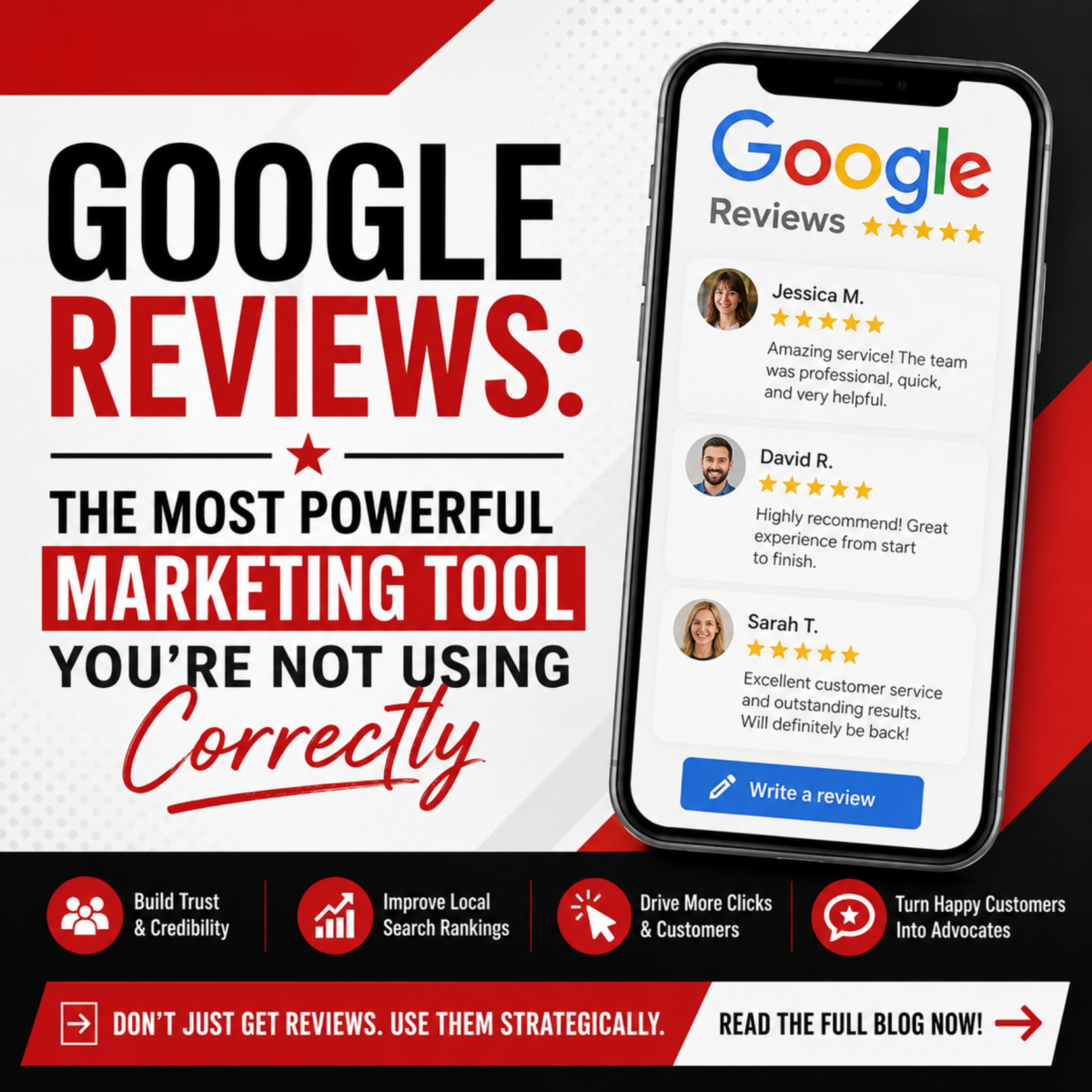
5. Ignoring Reviews (or Not Asking for Them)

Reviews play a major role in rankings—and they heavily influence whether customers call.

Why This Hurts You

Strong review activity helps build trust and boosts visibility. Ignored or unanswered reviews can make you appear unresponsive.

Fix It

  • Ask for reviews after every completed job.
  • Respond to all reviews—especially negative ones—politely and professionally.
  • Use a system or automation to request reviews via text.

6. Using Low‑Quality or No Photos

Google treats photos as engagement signals. Contractors often upload nothing or rely on stock photos.

Why This Hurts You

Google gives more visibility to profiles with frequent, high‑quality photo uploads.

Fix It

  • Upload real before/after photos.
  • Add team photos, fleet vehicles, jobsite images, and project highlights.
  • Update photos regularly (1–3 per week).

7. No Call‑to‑Action in the Profile

Most GBP descriptions are vague and generic.

Why This Hurts You

Your description is your sales pitch. Generic copy does not convert and doesn’t help you stand out.

Fix It

Include:

  • Who you serve
  • What you specialize in
  • Why customers trust you
  • A clear CTA (e.g., “Call now for same‑day service.”)

8. Not Tracking Performance or Understanding What Works

Contractors often “set it and forget it,” never checking insights.

Why This Hurts You

Without tracking, you can’t tell what keywords or updates actually generate calls. NEADSO provides daily GBP activity and results tracking so businesses never fly blind.

Fix It

  • Check GBP Insights monthly.
  • Track calls, views, and click‑throughs.
  • Adjust posts and services based on performance.

Final Thoughts: Your Next Customer Is Searching Right Now

Contractors win when they dominate local search, and Google Business Profile is the #1 way to do it. Most of these mistakes are easy to fix—but they cost you calls and revenue every day they go unaddressed.

Neadso specializes in Google Business Profile optimization, local SEO, and lead‑driving marketing for contractors and service professionals. If you want your GBP to start producing more calls, booked jobs, and steady growth, we can help you fix every issue on this list.

The Value of Good Reviews for Your Small Business

In today’s digital‑first marketplace, customer reviews have become one of the most influential forces shaping how people choose where to shop, who to hire, and what to buy. For small businesses especially, good reviews are no longer optional—they are a core asset that builds trust, drives visibility, and directly impacts revenue.

This article breaks down why reviews matter more than ever in 2026, and how small businesses can leverage them for growth.


1. Reviews Shape First Impressions and Build Trust

Modern consumers rely heavily on reviews to make confident decisions.
Research shows that 97% of consumers lean on reviews to guide their purchase decisions, demonstrating how “cemented” peer recommendations have become in buying behavior.

Similarly, surveys show that 93% of customers read online reviews before making a purchase—meaning your reputation is often judged before someone ever visits your website or storefront.

Star ratings and recency matter, too. The 2026 Local Consumer Review Survey found that customers increasingly expect 4.5‑star ratings or higher, and outdated reviews are losing influence.


2. Reviews Influence Local Search Rankings and Online Visibility

Good reviews don’t just persuade customers—they help your business get found.

Data from the Better Business Bureau highlights that reviews significantly contribute to local SEO, with surveys showing that reviews influence 15% of local search ranking factors.

Platforms like Google prioritize businesses with consistent, recent, and positive reviews, meaning your reputation directly impacts how high you appear in local search or Google Maps results.

Good reviews also appear in search snippets, which makes your business more clickable and appealing before a visitor ever reaches your website.


3. Positive Reviews Drive Sales and Conversions

The connection between reviews and revenue is dramatic and well‑documented:

  • A study shows that products with five reviews are 270% more likely to be purchased than those with zero reviews.
  • A one‑star rating increase can boost business revenue by 5–9%.
  • Reviews influence 32% of purchasing decisions, surpassing even discounts or coupons.

When shoppers see a consistent pattern of positive experiences, it reduces perceived risk and increases their confidence in choosing your business.


4. Good Reviews Provide Valuable Customer Feedback

Beyond marketing benefits, reviews offer genuine insight into what customers love—and what needs improvement.

Reviews reveal trends, highlight weaknesses, and give small businesses actionable data they can use to improve products, services, or customer processes.

Whether customers mention slow service, packaging issues, or exceptional staff, this feedback acts as continuous market research—at no cost.


5. Reviews Offer a Competitive Advantage

Research from the Better Business Bureau notes that 82% of consumers read online reviews for local businesses, and the majority use them for comparison shopping.

When your business has more—and better—reviews than your competitors, you instantly stand out. A competitor with weak or few reviews may be overlooked, regardless of price or convenience.

Positive reviews also help small businesses compete with larger chains by demonstrating personalized service and community trust.


6. Responding to Reviews Builds Credibility and Customer Loyalty

Modern consumers expect businesses to acknowledge feedback.
Data from the 2026 survey shows that slow or generic responses are now viewed as red flags, while quick, personalized replies strengthen trust.

Other research shows:

  • 56% of consumers prefer businesses that respond to reviews.
  • Reviews that get a response can generate 12% more revenue.

Engaging with reviews—positive or negative—signals professionalism, transparency, and customer care.


7. Good Reviews Strengthen Your Overall Online Reputation

Online reputation is one of the most important trust signals in the digital age.
According to review statistics, 72% of consumers trust a local business more after reading positive reviews.

Ratings, review volume, and recency all shape how credible your business appears across platforms like Google, Yelp, Facebook, and industry‑specific review sites.

Reputation is especially important in competitive sectors like home services, healthcare, retail, and hospitality, where customers do extensive online comparison before deciding.


8. Reviews Help Combat the Growing Challenge of Misinformation

Consumers today are more aware of fake or AI‑generated reviews.
A 2026 report shows that 62% of shoppers are concerned about review censorship or manipulation, and many use multiple platforms to verify authenticity.

For small businesses, maintaining a steady flow of real, positive reviews signals transparency and reliability, helping build trust in a skeptical marketplace.


Conclusion: Good Reviews Are One of Your Most Valuable Business Assets

In 2026, good reviews do much more than improve reputation—they:

  • Increase your visibility in search results
  • Build trust and credibility
  • Boost conversions and revenue
  • Offer valuable business insights
  • Give you an edge over competitors
  • Strengthen long‑term customer loyalty

With 97% of consumers relying on reviews and 93% checking them before buying, the power of good reviews for small businesses has never been greater.