How Google Really Finds Your Business

If you’ve ever asked yourself, “Why doesn’t my business show up on Google?” — you’re not alone.
Many business owners assume Google magically finds and ranks their website. In reality, Google follows a very specific process to discover, understand, and rank businesses online.

Understanding how this process works is the first step to improving your visibility and attracting more customers.

1. Google Needs to Find You First

Before Google can rank your business, it has to know you exist.

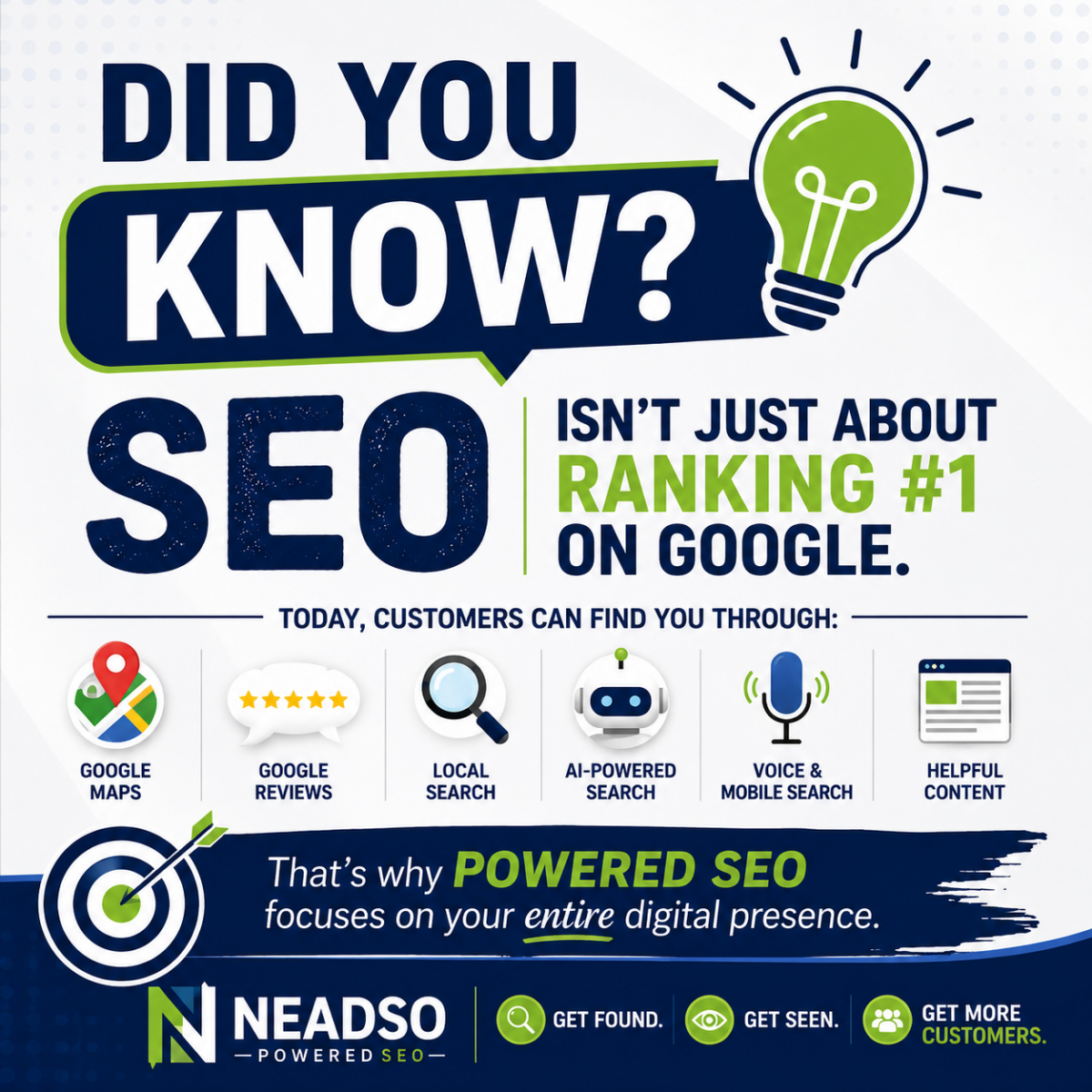
Google finds businesses in several key ways:

  • Your website
  • Your Google Business Profile
  • Mentions of your business on other websites
  • Social media and directory listings

If your business is missing or inconsistent across these places, Google may struggle to trust or show your information.

Tip: If your website isn’t properly built or indexed, Google may never fully “see” it.

2. Your Website Tells Google What You Do

Google doesn’t “see” your website the way people do.
Instead, it reads code, words, structure, and signals to understand:

  • What your business offers
  • Where you are located
  • Who your services are for

Clear page titles, readable content, and location-specific keywords help Google accurately categorize your business.

For example:

“Window Installation in Rhode Island” is clearer than
“Quality Services You Can Trust”

The clearer your message, the easier it is for Google to match your business to real searches.

3. Location Matters More Than You Think

When people search things like:

  • “urgent care near me”
  • “window blinds in Rhode Island”
  • “marketing agency Charlestown RI”

Google prioritizes businesses that clearly show where they are located.

This comes from:

  • Your Google Business Profile
  • Your website’s contact and location pages
  • Consistent business name, address, and phone number (NAP)

If your location data is inconsistent across the web, Google may rank a competitor instead.

4. Google Looks for Trust Signals

Google’s main goal is to show users businesses they can trust.
To decide this, Google looks for signals like:

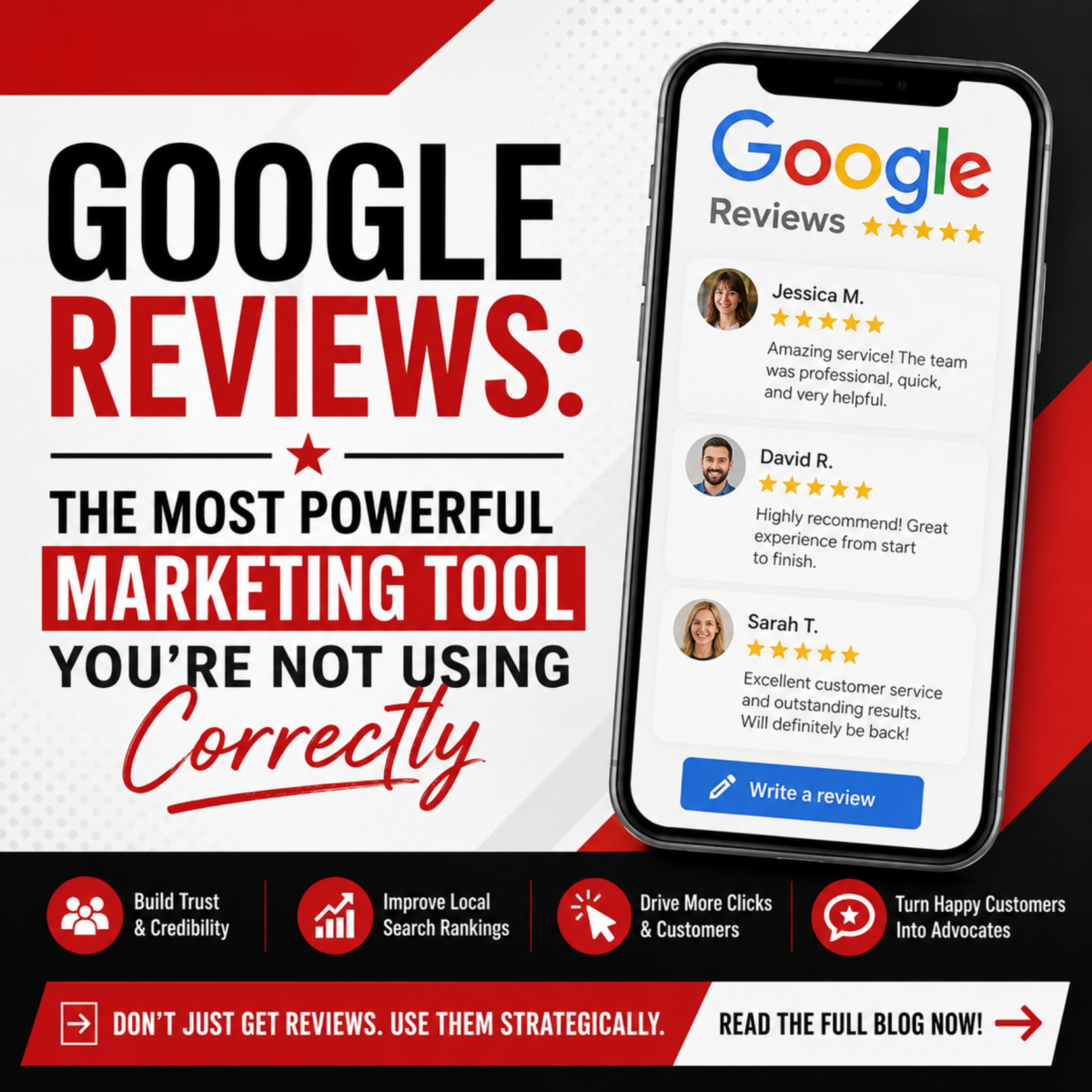
  • Reviews and ratings
  • Website security (HTTPS)
  • How often your site is updated
  • Links from other reputable websites
  • Professional design and usability

A neglected or outdated website sends the wrong message — not just to customers, but to Google.

5. Content Helps Google Understand Your Authority

Google favors businesses that educate and provide value.

Helpful content shows Google:

  • You understand your industry
  • Your website is active
  • You answer real customer questions

Examples of strong content include:

  • Blog articles
  • Service explanations
  • FAQs
  • Location-based pages

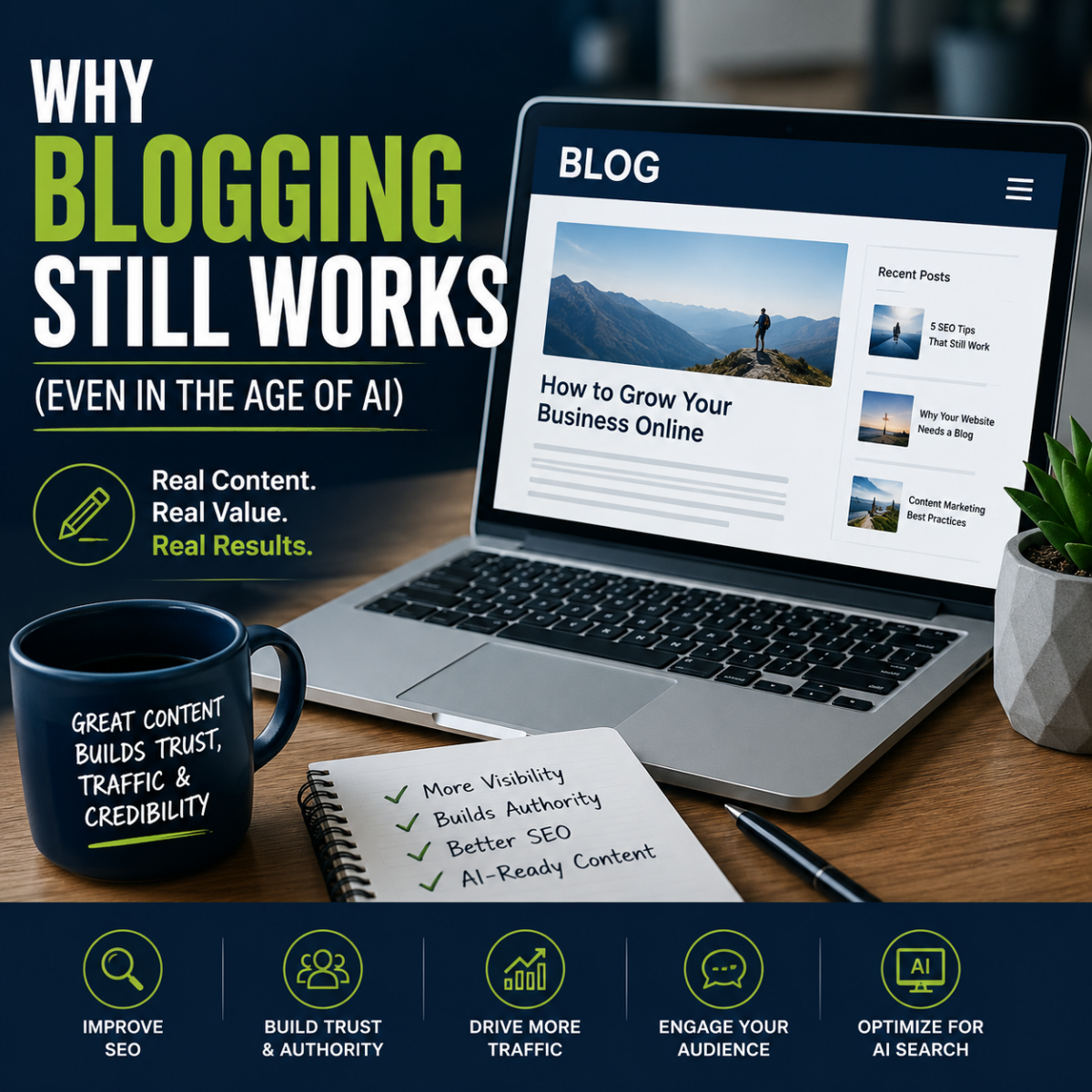
This is why blogging and regular updates play a big role in long-term SEO success.

6. Consistency Is Key

One of the biggest mistakes businesses make is being inconsistent online.

Google expects:

  • The same business name everywhere
  • The same address formatting
  • The same phone number

Even small variations can hurt your credibility in search results.

Consistency builds confidence — for Google and for customers.

7. SEO Is Not Instant — It’s a Process

Google doesn’t rank businesses overnight.

SEO success comes from:

  • Clean website structure
  • Clear messaging
  • Ongoing content updates
  • Long-term consistency

The businesses that rank well are usually the ones that committed to doing it right — not the ones looking for shortcuts.

What This Means for Your Business

If Google isn’t sending customers your way, it’s usually not about luck.
It’s about visibility, clarity, trust, and consistency.

Understanding how Google really finds your business allows you to:

  • Make smarter marketing decisions
  • Avoid wasted effort
  • Build long-term growth online

Need Help Improving Your Visibility?

At Northeast Advertising Solutions, we help businesses build websites and digital strategies that Google understands — and customers trust.

If you’re ready to improve how your business shows up online, we’re here to help.

Why No One Is Seeing Your Post: The Real Reasons Behind Low Reach

You hit publish, the content looks great, the message is strong
 and then the post disappears into the void. Zero traction. Zero engagement. Zero visibility.

If it feels like no one is seeing your posts anymore, you’re not imagining it. Social media platforms have become more competitive, more algorithm-driven, and far less predictable. Below are the real reasons why your content isn’t being seen — and what you can do about it.

1. The Algorithm Is Your Gatekeeper

Every major platform now uses behavior-based ranking systems that determine what gets shown first — and what gets buried.

Algorithms prioritize posts based on:

  • Early engagement
  • Predicted user interest
  • Format type
  • Your relationship to the viewer
  • Session behavior patterns

Without strong early signals, your content simply won’t surface.

2. You’re Posting at the Wrong Time

If your audience isn’t active when your content goes live, your post gets low immediate engagement — one of the strongest signals for reach.

Platforms reward momentum. If the first 30 minutes are flat, your post will struggle all day.

3. Your First Second Isn’t Strong Enough

Most users scroll instantly. You have one second to earn attention.

Common issues:

  • Weak first line
  • No hook
  • Busy or text-heavy visual
  • No movement (platforms favor video)

If your audience doesn’t stop, the algorithm won’t push the post.

4. Lack of Platform-Native Features

Every platform prioritizes its own tools:

  • Instagram → Reels, stickers, collaborations
  • Facebook → Reels, Groups, link previews
  • LinkedIn → Documents, carousels, polls
  • TikTok → In‑app editing, trending audio

Using native features boosts reach automatically.

5. Your Audience Has Content Fatigue

People follow hundreds of accounts. Only a tiny percentage of posts ever make it into each person’s feed. Even great content can get drowned out by:

  • Ads
  • Suggested posts
  • Viral content
  • Larger accounts’ output

Your post isn’t competing against your followers — it’s competing against the entire platform.

6. Your Content Doesn’t Match Viewer Expectation

If your followers came for one type of content and you switched directions, your engagement will drop — and so will reach. Platforms make assumptions based on user response patterns, not creator intent.

7. Inconsistent Posting Hurts Ranking

If you post sporadically, the platform deprioritizes you. Consistency conditions both the algorithm and your audience.

Even posting less often but more consistently can dramatically increase reach.

8. You’re Not Optimizing for Search (Yes, Social Search)

Platforms like Instagram, TikTok, LinkedIn, Facebook, and Pinterest are now search engines, not just feeds.

Optimizing your captions, alt text, keywords, and content structure makes your posts discoverable long after they’re published.

If you need help improving your visibility, check out NEADSO, an SEO and digital strategy resource:
👉 Talk To Them Today!

This is especially important now that social networks increasingly rely on in‑platform search to surface content to new audiences.

How to Fix Low Reach Right Away

  • Start with a scroll-stopping hook
  • Use trending formats (especially short-form video)
  • Post when your audience is active
  • Boost early engagement (CTA, questions, saves)
  • Use platform-native features
  • Maintain a consistent posting rhythm
  • Add keywords that match user search habits
  • Repurpose high-performing formats

Why Your Marketing Isn’t Working — And the 5‑Step Fix

If you’re like most small business owners, you’ve tried multiple marketing tactics — boosted posts, Google ads, social media content, email blasts — yet the results just don’t match the effort or investment. You’re not alone. Most businesses aren’t struggling because they lack good ideas. They’re struggling because their marketing is built on the wrong foundation.

Here’s the truth:
Marketing doesn’t fail because of the ads — it fails because of the system behind the ads.
And the good news? You can fix it.

Below are the five most common breakdowns — and the exact five‑step fix that turns everything around.

1. You’re Relying on Tactics Instead of a Strategy

Boosting a post is not a strategy. Posting on Instagram is not a strategy. Running a few Google ads is not a strategy.

Those are tactics — and tactics without strategy always lose.

The Fix:
Build a simple, clear strategy by answering three questions:

  1. Who are we trying to reach?
  2. Where do they spend time online?
  3. What problem are we solving that matters to them?

Once you can answer these clearly, your marketing has direction — not guesswork.

2. Your Message Isn’t Clear Enough

Most marketing fails because the message is confusing, too complicated, or too focused on the business instead of the customer.

People buy when they understand how you make their life better, not when they understand your entire business story.

The Fix:
Use this simple messaging formula:

  • State the problem
  • Introduce your solution
  • Explain the transformation

Example:
“Parents are overwhelmed. Our daycare gives them peace of mind through safe, structured child care.”

Clear. Direct. Customer‑focused.

3. Your Website Isn’t Built to Convert

Even if your ads are great, most leads die on the website.

Common issues:

  • Slow load times
  • No clear call‑to‑action
  • Too much text
  • No trust signals (testimonials, reviews, awards)
  • Contact forms that are too long

A beautiful website is nice — but a converting website is profitable.

The Fix:
Every page needs:

  • A single, clear CTA (call, book, schedule, apply)
  • Social proof (reviews, badges, Google rating)
  • A fast load time
  • A simple structure that leads the visitor where you want them to go

Your website should act like a salesperson — not a brochure.

4. You’re Not Tracking the Right Numbers

Most business owners don’t have a marketing problem — they have a data problem.

If you can’t measure:

  • Cost per lead
  • Lead quality
  • Website conversions
  • Which channels actually work


you’re marketing blind.

The Fix:
Set up simple, automatic tracking using:

  • Google Analytics
  • UTM links
  • Call tracking
  • CRM lead tagging

Small data changes lead to big revenue gains.

5. You Quit Too Early (Most Businesses Do)

Marketing rarely works instantly. Most campaigns need:

  • Testing
  • Adjustments
  • Improving the message
  • Fixing the landing page
  • Refining targeting

Most businesses stop right before their campaigns start to perform.

The Fix:
Commit to a 90‑day minimum cycle:

  • Days 1–30 → Test
  • Days 31–60 → Refine
  • Days 61–90 → Scale what works

Marketing is a system, not a slot machine.

The 5‑Step Fix (Summary)

  1. Build a strategy — not random tactics.
  2. Clarify your message so people instantly “get it.”
  3. Optimize your website to convert traffic into leads.
  4. Track the right metrics to guide decisions.
  5. Give campaigns time to work — and improve them.

Want NEADSO to Fix This for You?

NEADSO specializes in turning broken marketing systems into profitable, data‑driven growth engines for small businesses. Instead of cookie‑cutter tactics, we build custom strategies that convert visibility into revenue — every time.

👉 Schedule a free consultation
👉 Let’s build a marketing system that finally works – 401-339-0006

The Silent Shift: Why Small Businesses Must Embrace “Micro‑Momentum Marketing” in 2026

Small businesses often believe that success online comes from one big change — a redesigned website, a new marketing platform, or a major ad campaign. But the real competitive advantage in today’s digital landscape isn’t one massive overhaul. It’s something far more practical, far more achievable, and far more powerful:

Micro‑Momentum Marketing.

This strategy focuses on small, consistent, high‑impact actions that build long‑term digital strength. For most small business owners, this is the difference between feeling stuck online and finally gaining traction.

And in 2026, this approach matters more than ever.


What Is Micro‑Momentum Marketing?

It’s the idea that consistent, incremental actions across your SEO, social media, and paid search create exponential results over time.
Instead of chasing trends or trying to “do everything,” businesses build predictable growth through manageable steps.

This aligns perfectly with how modern digital platforms reward brands:

  • Google boosts businesses that update content consistently
  • Social platforms favor accounts with regular engagement
  • Customers trust brands that appear active, helpful, and present
  • Ad campaigns improve as data compounds over time

Small actions → repeated consistently → big results.


Why This Matters for Small Businesses Right Now

Most business owners face two major challenges:

  1. Lack of time
  2. Lack of clarity

They know they need SEO, social media, ads, content, and reviews

But they don’t know where to start — or how to keep it going.

Micro‑Momentum removes the overwhelm. It turns digital marketing into a daily or weekly routine instead of a once‑a‑year panic.


Three Small Actions That Create Massive Impact

1. Weekly Website Tweaks That Strengthen SEO

You don’t need a full site rebuild to improve performance.
Updating one service page, adding an FAQ, or posting a short blog once a week creates a compounding SEO advantage.

Google rewards activity, not perfection.


2. Daily Social Media Signals That Boost Visibility

You don’t need to go viral.
You just need:

  • One post per day
  • One comment on someone else’s post
  • One new follower or connection

This tells platforms you’re active — which increases your organic reach.

Consistency beats creativity.


3. Ongoing PPC Optimizations That Lower Ad Costs

Instead of “set it and forget it,” small changes can dramatically improve ROI:

  • Adding negative keywords
  • Tweaking ad copy
  • Adjusting bids
  • Testing one new audience

PPC improves over time — if you keep touching it.


Why Micro‑Momentum Beats Big, One‑Time Efforts

Because digital platforms (Google, Facebook, Instagram, TikTok) measure:

  • recency
  • activity
  • engagement
  • reliability

Big actions create short spikes.
Small actions create long-term growth.

Your competitors may post once a month, update their website once a year, or check their ads once a quarter.

You win by doing 5 minutes more than they do, more often.


The Bottom Line: Consistency Is the New Competitive Advantage

Small businesses don’t need massive budgets or teams to win online.
They need a plan built around realistic, repeatable habits — the foundation of Micro‑Momentum Marketing.

In a digital world where algorithms reward consistency and customers reward trust, the businesses that commit to small daily or weekly actions will rise above those waiting for the “perfect time” to act.

The perfect time doesn’t exist.
Momentum does.

And once you build it, everything in your marketing becomes easier.