What Happens After Someone Googles Your Business?

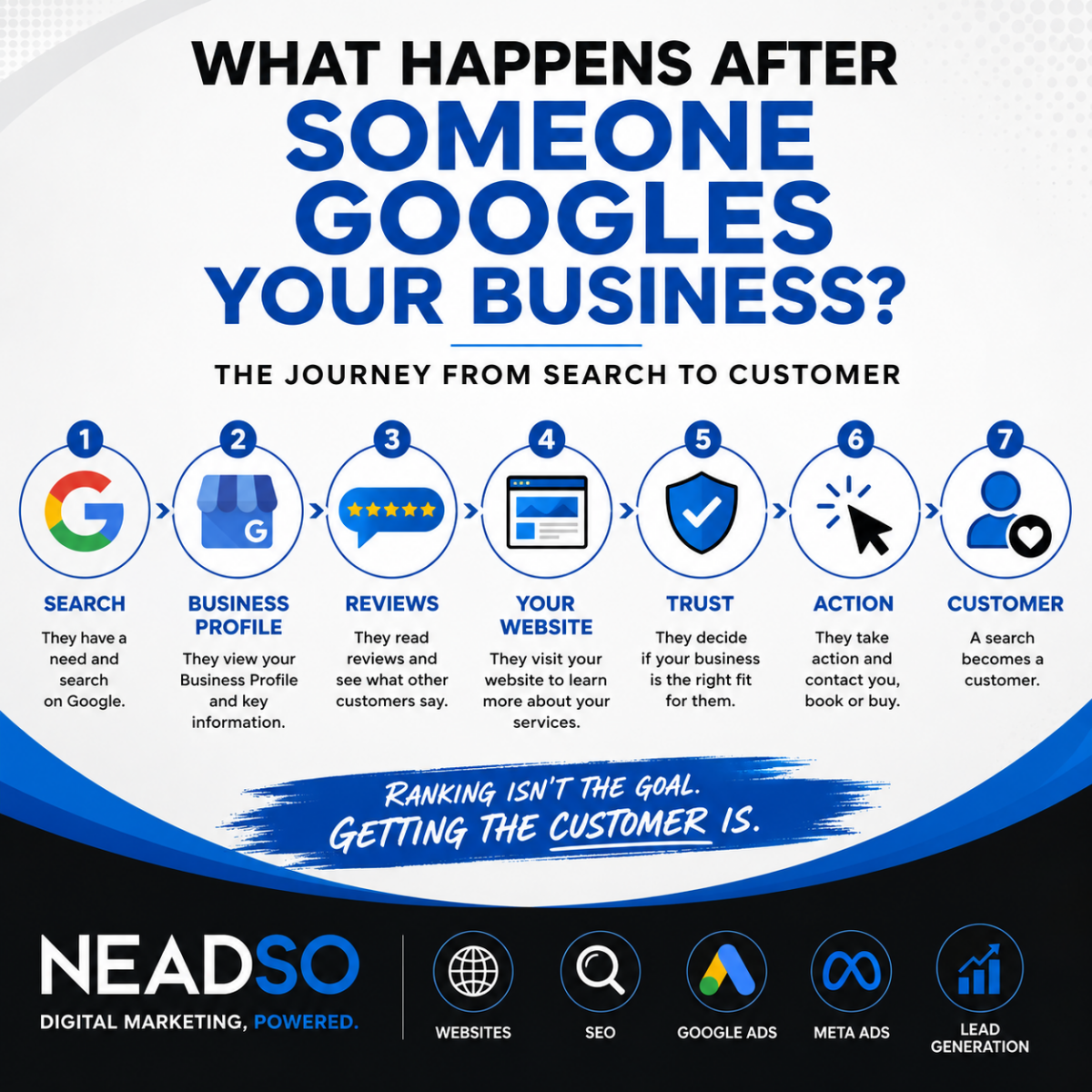
Getting found on Google is only the beginning. See the journey customers take from search to reviews to your website—and what ultimately turns that search into a customer.

Getting found on Google is only the beginning. See the journey customers take from search to reviews to your website—and what ultimately turns that search into a customer.
Social media and advertising are powerful, but you don’t own those platforms. Learn why your website should be the center of your marketing strategy and how to build a digital presence that lasts.
AI has transformed the way businesses create content and market their services—but can it truly replace a marketing agency? Discover where AI excels, where it struggles, and why combining AI with experienced marketing professionals delivers the best results.
Many small businesses spend hundreds or even thousands of dollars on advertising without realizing their website is the real problem. Discover the common issues that drive visitors away and what you can do to improve conversions before increasing your marketing budget.
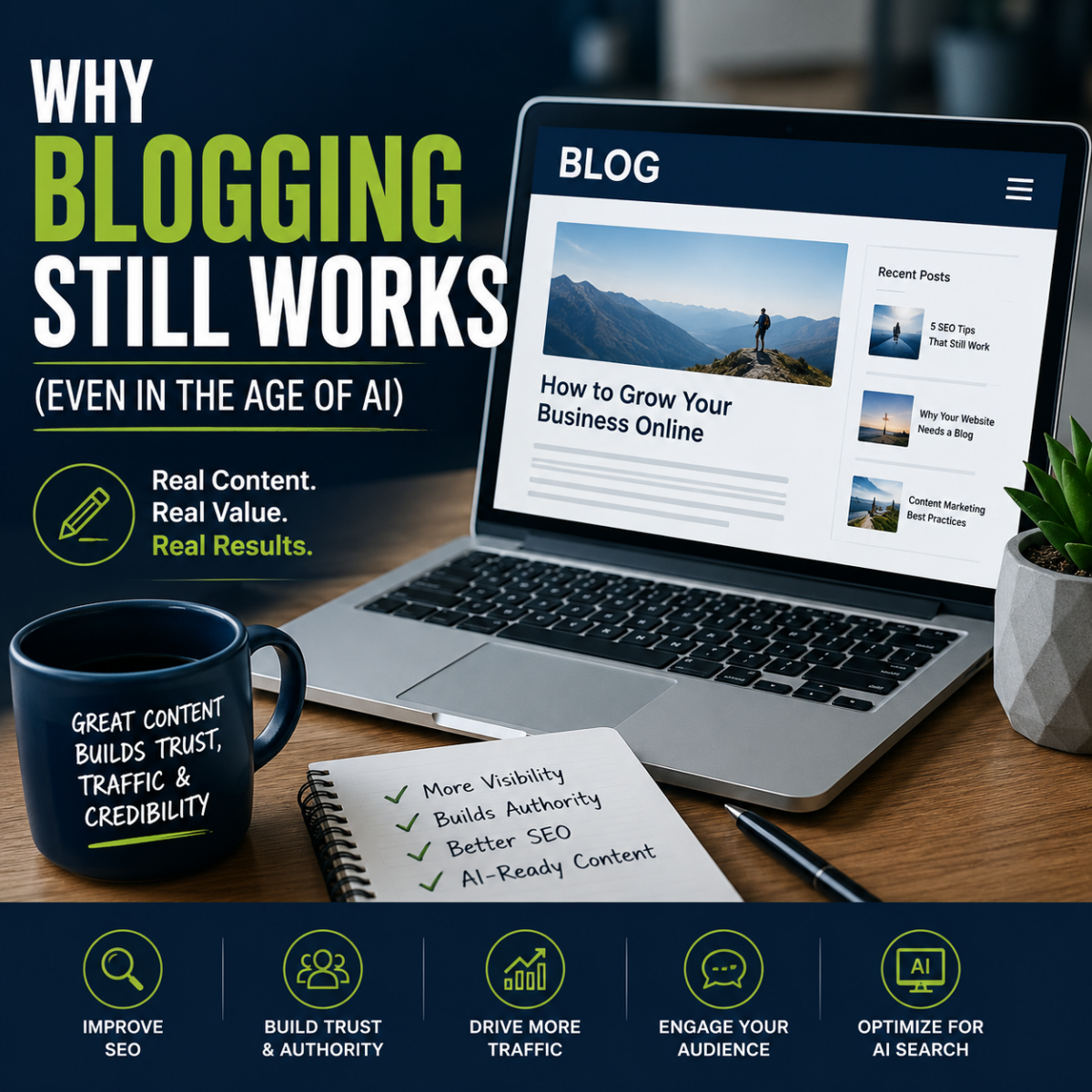
AI has changed how people search for information—but it hasn’t made blogging obsolete. Discover why businesses that consistently publish helpful content continue to earn more traffic, build trust, and stay visible in both Google and AI search results.
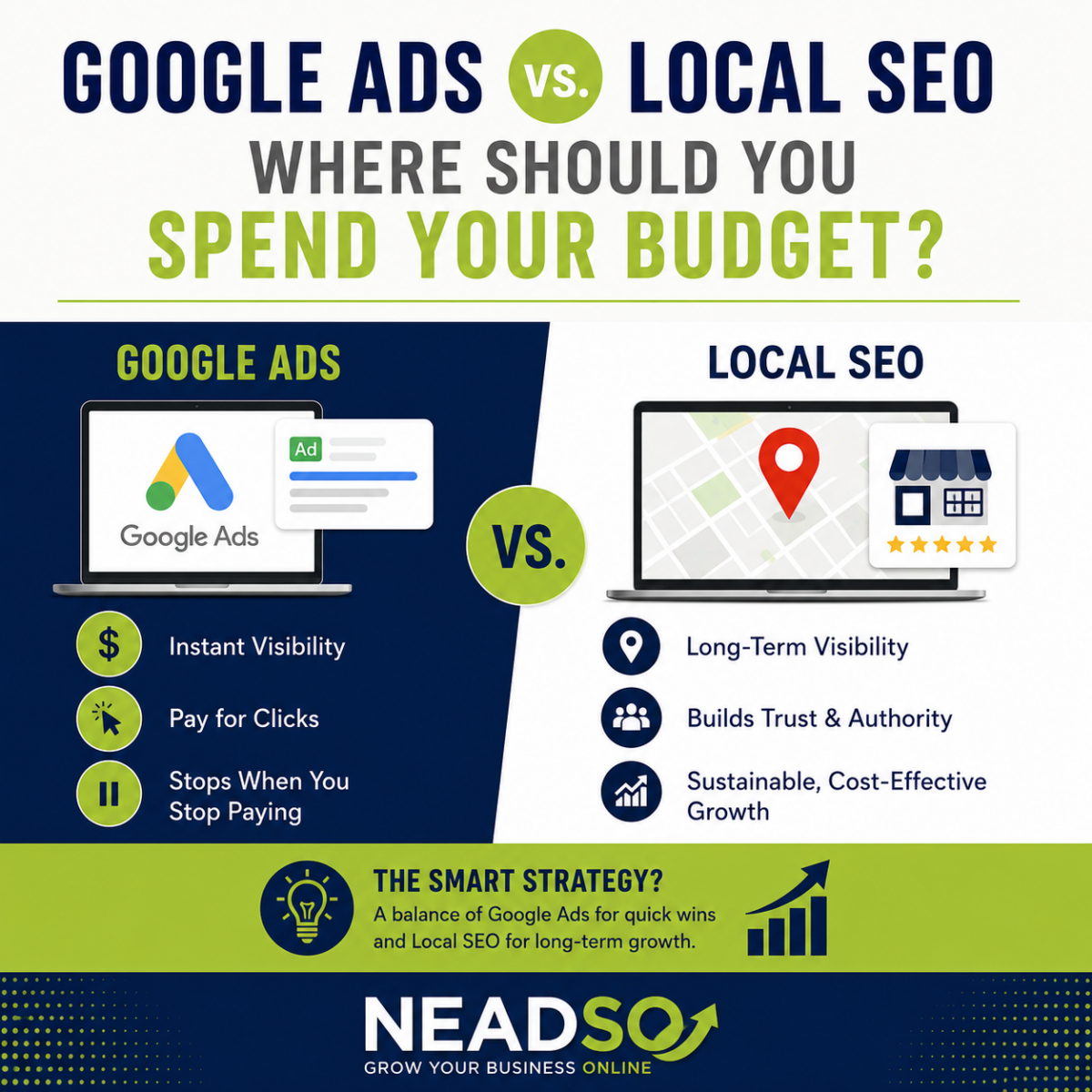
Should your business invest in Google Ads or Local SEO? Learn the advantages, disadvantages, costs, and ROI of both strategies to determine where your marketing budget will deliver the best results.
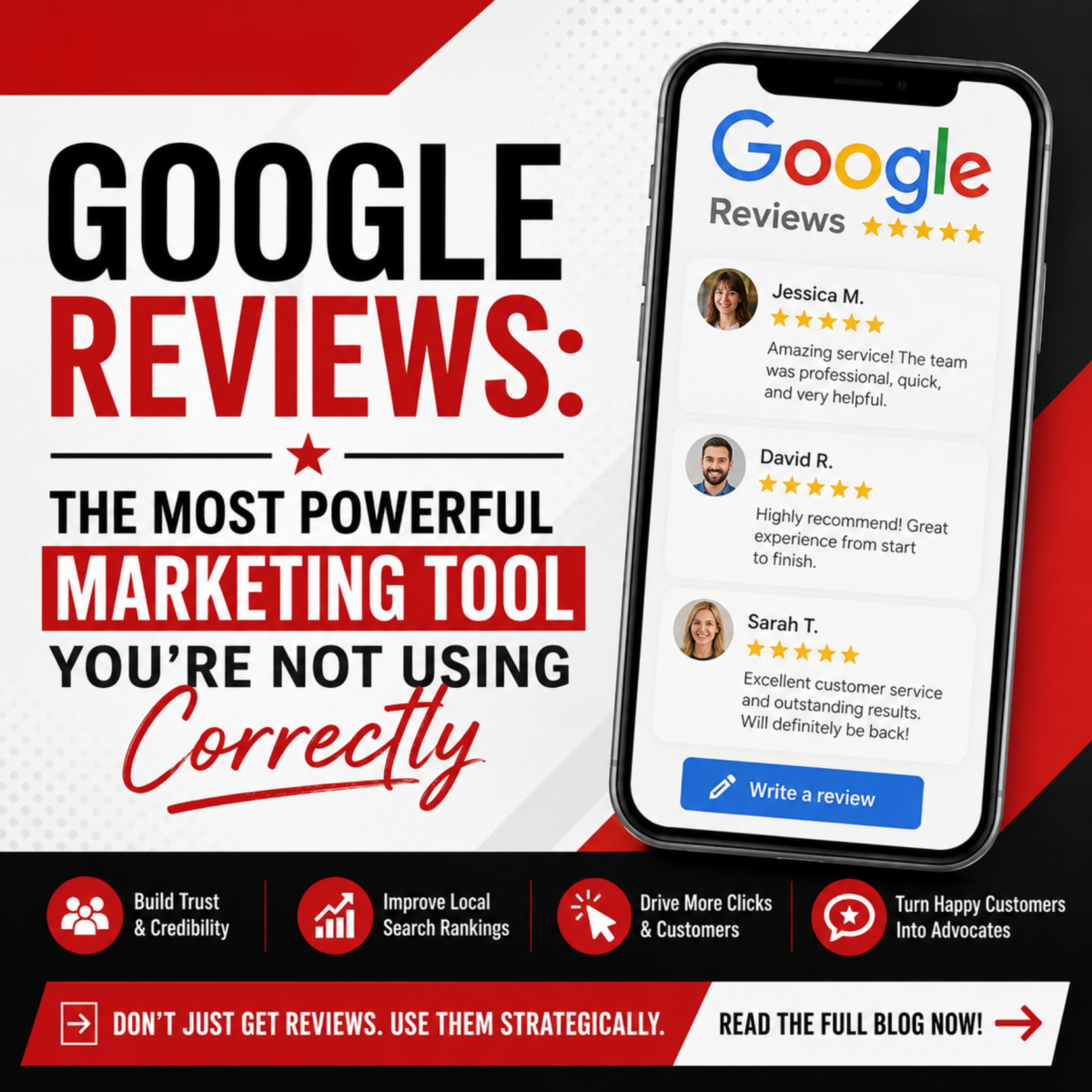
Google Reviews do more than build credibility—they influence search rankings, customer trust, and buying decisions. Learn how to leverage reviews to attract more customers and grow your business.
Many businesses struggle to grow online despite their efforts. In this article, we break down the key reasons why and provide actionable strategies to help you attract more customers, improve conversion rates, and scale your digital presence.
Local SEO helps your business get found by customers searching nearby. Learn why local search optimization is essential for visibility, leads, and long‑term growth.
If you’ve ever asked yourself, “Why doesn’t my business show up on Google?” — you’re not alone.
Many business owners assume Google magically finds and ranks their website. In reality, Google follows a very specific process to discover, understand, and rank businesses online.
Understanding how this process works is the first step to improving your visibility and attracting more customers.
Before Google can rank your business, it has to know you exist.
Google finds businesses in several key ways:
If your business is missing or inconsistent across these places, Google may struggle to trust or show your information.
Tip: If your website isn’t properly built or indexed, Google may never fully “see” it.
Google doesn’t “see” your website the way people do.
Instead, it reads code, words, structure, and signals to understand:
Clear page titles, readable content, and location-specific keywords help Google accurately categorize your business.
For example:
“Window Installation in Rhode Island” is clearer than
“Quality Services You Can Trust”
The clearer your message, the easier it is for Google to match your business to real searches.
When people search things like:
Google prioritizes businesses that clearly show where they are located.
This comes from:
If your location data is inconsistent across the web, Google may rank a competitor instead.
Google’s main goal is to show users businesses they can trust.
To decide this, Google looks for signals like:
A neglected or outdated website sends the wrong message — not just to customers, but to Google.
Google favors businesses that educate and provide value.
Helpful content shows Google:
Examples of strong content include:
This is why blogging and regular updates play a big role in long-term SEO success.
One of the biggest mistakes businesses make is being inconsistent online.
Google expects:
Even small variations can hurt your credibility in search results.
Consistency builds confidence — for Google and for customers.
Google doesn’t rank businesses overnight.
SEO success comes from:
The businesses that rank well are usually the ones that committed to doing it right — not the ones looking for shortcuts.
If Google isn’t sending customers your way, it’s usually not about luck.
It’s about visibility, clarity, trust, and consistency.
Understanding how Google really finds your business allows you to:
At Northeast Advertising Solutions, we help businesses build websites and digital strategies that Google understands — and customers trust.
If you’re ready to improve how your business shows up online, we’re here to help.